
Overhead door repair doesn’t have to be overwhelming when you know the right strategies. This comprehensive guide reveals seven professional techniques for diagnosing, fixing, and preventing common overhead door problems, helping homeowners and business owners determine when to tackle repairs themselves and when professional help is necessary, ultimately saving time and money while keeping doors functioning smoothly.
Your overhead door takes a beating every single day. Between Buffalo’s brutal winters, daily use cycles, and the natural wear that comes with mechanical systems, problems are inevitable.
The question isn’t whether you’ll face overhead door repair issues—it’s how prepared you’ll be when they happen.
Whether you’re a homeowner in Springville, Tonawanda, Amherst, Lancaster or Buffalo, dealing with a stubborn garage door or a business owner keeping warehouse operations running smoothly, understanding the right repair strategies can save you time, money, and a lot of frustration. This guide breaks down the most effective approaches to overhead door repair, helping you identify when to DIY, when to call in professionals, and how to prevent problems before they start.
1. Master the Art of Diagnostic Listening
The Challenge It Solves
Most overhead door problems announce themselves long before they cause a complete failure. The trouble is, most people ignore these early warning signs until they’re dealing with a door that won’t open at all. Learning to interpret the sounds your overhead door makes transforms you from reactive to proactive, catching issues when they’re still minor and inexpensive to fix.
The Strategy Explained
Think of your overhead door like a conversation partner that’s trying to tell you something’s wrong. A grinding noise typically indicates worn rollers or bearings that need replacement. Squealing sounds often point to parts that desperately need lubrication. Popping or snapping noises? That’s frequently your spring system warning you it’s reaching the end of its life.
The key is establishing a baseline. Pay attention to how your door sounds when it’s functioning properly, then you’ll immediately notice when something changes.
Implementation Steps
1. Stand in your garage with the door closed and run a complete open-close cycle while actively listening for unusual sounds, noting where in the cycle they occur.
2. Record a video with audio of your door operating normally so you have a reference point for comparison when you suspect problems later.
3. Create a simple log on your phone where you note any sound changes with the date, making it easier to track whether issues are worsening over time.
Pro Tips
Perform your listening check at different times of day and in different weather conditions. Cold mornings in Buffalo will make your door sound different than warm afternoons, and you need to distinguish between normal temperature-related changes and actual mechanical problems. If you hear something new and concerning, run the door through several cycles to determine if it’s consistent or just a one-time anomaly. For comprehensive guidance on identifying and addressing issues, check out our complete guide to fixing common problems.
2. Prioritize Spring System Safety Above All Else
The Challenge It Solves
Overhead door springs store an enormous amount of tension to counterbalance the weight of your door. When they fail or are handled improperly, they can cause serious injury or property damage. Many homeowners underestimate this danger and attempt spring repairs themselves, creating hazardous situations that could have been avoided. Understanding spring system safety prevents accidents while helping you make informed decisions about when professional help is non-negotiable.
The Strategy Explained
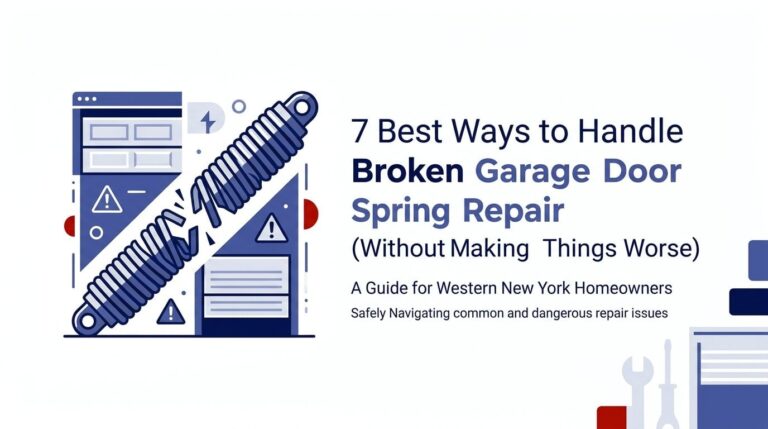
Your overhead door uses either torsion springs (mounted above the door) or extension springs (running along the tracks). Both types function under tremendous tension, but torsion springs are particularly dangerous because they’re wound tight and can release with explosive force if mishandled.
Safe spring inspection means visual checks only. You’re looking for gaps in the coils, rust, or visible wear without touching or attempting to adjust anything. The moment you see signs of spring wear, that’s your signal to contact professionals who have the proper tools and training to handle replacement safely.
Implementation Steps
1. With your door closed, visually inspect your springs from a safe distance, looking for gaps between coils that indicate stretching or wear.
2. Check for rust or corrosion on the spring surface, which weakens the metal and indicates the spring is approaching failure.
3. If you notice any concerning signs, immediately stop using the door’s automatic opener and contact a professional repair service before the spring fails completely.
Pro Tips
Never attempt to test spring tension by manually manipulating the springs or winding mechanism. If your door feels heavier than usual when lifting manually or doesn’t stay in place when opened halfway, your springs are likely weakening and it’s time to contact a professional. Buffalo’s temperature swings accelerate spring wear, so plan on professional garage door spring repair inspections every two to three years even if you haven’t noticed obvious problems. When springs do need replacement, have both springs replaced simultaneously since they wear at similar rates.
3. Implement a Seasonal Maintenance Calendar
The Challenge It Solves
Buffalo’s dramatic seasonal changes wreak havoc on overhead door systems in ways that milder climates never experience. The freeze-thaw cycles, moisture exposure, and temperature extremes create maintenance needs that are easy to forget until something breaks. Without a structured maintenance schedule, you’re essentially gambling that your door will keep working through the next weather shift. A seasonal calendar ensures you’re addressing climate-specific issues before they escalate into emergency repairs.
The Strategy Explained
Different seasons demand different maintenance priorities. Spring maintenance focuses on recovering from winter damage and preparing for increased use. Summer is ideal for major inspections and repairs when weather cooperates. Fall preparation protects against the coming cold, and winter maintenance addresses immediate weather-related issues as they arise.
The beauty of a seasonal approach is that it breaks maintenance into manageable chunks rather than overwhelming you with an annual mega-checklist you’ll never complete. Understanding garage door maintenance and expert repairs helps you stay ahead of seasonal challenges.
Implementation Steps
1. Set phone reminders for the first week of March, June, September, and December with specific tasks for each season.
2. In spring, inspect and replace weatherstripping damaged by winter, clean tracks of salt and debris, and lubricate all moving parts after winter’s toll.
3. During fall, test your door’s auto-reverse safety features, check weatherstripping installation quality, and apply cold-weather lubricant to prevent freezing issues.
Pro Tips
Buffalo’s unpredictable weather means you might need to adjust timing based on actual conditions rather than calendar dates. If we get an early freeze, move your fall maintenance up. Keep a simple checklist in your garage so you can quickly verify you’ve completed each seasonal task. The most commonly skipped item is track cleaning, but salt residue from winter can cause serious corrosion if left in place, so make this non-negotiable in your spring routine.
4. Stock Essential Repair Supplies Before Emergencies Hit
The Challenge It Solves
Overhead door emergencies have terrible timing. They happen early Monday morning when you’re trying to get to work, late Friday evening when hardware stores are closed, or during snowstorms when you can’t leave your property. Scrambling to find supplies during an emergency means you’re either paying premium prices for emergency service calls or living with a non-functional door longer than necessary. Having basic supplies on hand transforms many potential emergencies into quick fixes you can handle immediately.
The Strategy Explained
You’re not building a professional repair shop in your garage. You’re creating a strategic inventory of items that address the most common overhead door issues and can buy you time until professional help arrives for more serious problems. Think of it as overhead door first aid rather than overhead door surgery.
The right supplies let you handle minor issues yourself while keeping your door functional enough to get through a weekend or weather event when professional services might not be immediately available.
Implementation Steps
1. Purchase a high-quality silicone-based garage door lubricant, which works better in cold weather than petroleum-based alternatives and keeps moving parts functioning smoothly.
2. Stock replacement rollers (both nylon and steel types if you’re unsure which yours uses), since roller replacement is one of the few repairs homeowners can safely handle themselves.
3. Keep weatherstripping material, a rubber mallet, and basic hand tools (adjustable wrench, socket set, screwdrivers) in a dedicated container labeled for overhead door maintenance.
Pro Tips
Take photos of your door’s hardware and bring them to a local supplier to ensure you’re buying compatible parts. Generic “universal” parts often don’t fit as well as manufacturer-specific components. Store your supplies in the garage where you’ll actually use them, but keep lubricants from freezing by storing them on a shelf rather than directly on a concrete floor. Replace your emergency supplies after you use them immediately, not “eventually”—that’s how you end up with an empty container when you need it most.
5. Learn the Track Alignment Quick-Check Method
The Challenge It Solves
Misaligned tracks cause your overhead door to bind, make excessive noise, and wear out components prematurely. Left unchecked, minor misalignment evolves into bent tracks, damaged rollers, and eventually a door that won’t operate at all. The frustrating part is that track issues often start small and worsen gradually, so most people don’t realize there’s a problem until significant damage has occurred. Learning to spot and address minor alignment issues early prevents expensive repairs down the line.
The Strategy Explained
Your overhead door tracks should be perfectly vertical on the sides and properly angled as they curve toward the ceiling. Even small deviations from this alignment create friction and stress on the entire system. The quick-check method uses simple visual and physical tests that take about five minutes but can identify problems before they require professional intervention.
You’re looking for gaps between rollers and tracks, uneven spacing, or sections where the door seems to stick or hesitate during operation.
Implementation Steps
1. Close your door completely and use a level to check that both vertical track sections are truly plumb, marking any sections that show deviation from vertical.
2. Open your door slowly while watching the rollers move through the tracks, noting any spots where rollers wobble, catch, or seem to have excessive play.
3. Check the distance between the track and the door edge at multiple points—this gap should be consistent throughout the entire track length on both sides.
Pro Tips
Minor adjustments to track-mounting brackets are something handy homeowners can handle, but never loosen all the brackets at once or you risk the entire track system coming loose. If you notice the track is actually bent rather than just slightly misaligned, that’s a job for professionals with proper metalworking tools. Buffalo’s freeze-thaw cycles can shift the building structure slightly over time, so tracks that were perfectly aligned when installed may need adjustment after a few years even with normal use. Residents in nearby areas like Tonawanda often experience similar climate-related track issues.
6. Develop a Trusted Professional Relationship Before You Need One
The Challenge It Solves
When your overhead door fails completely, you’re in crisis mode. You need immediate help, you’re stressed, and you don’t have time to properly research and vet repair companies. This is exactly when people make poor decisions, hiring the first company that answers the phone and potentially overpaying or receiving substandard work. Establishing a relationship with a reliable repair service before emergencies happen means you already know who to call, what to expect, and that you’ll receive fair treatment when you’re most vulnerable.
The Strategy Explained
Think of this like choosing a family doctor rather than showing up at urgent care. You want a repair company that knows your door’s history, understands your property’s specific needs, and has already proven their competence and integrity through smaller interactions. This relationship develops through routine maintenance visits, minor repairs, and proactive consultations rather than through emergency crisis management.
The goal isn’t just finding someone who can fix your door—it’s finding someone who will give you honest assessments about repair versus replacement and who prioritizes long-term solutions over quick profits.
Implementation Steps
1. Research local overhead door repair companies like 716 Garage Door Repair while your door is working fine, reading reviews specifically for mentions of transparency, fair pricing, and quality of work rather than just speed of response.
2. Schedule a professional inspection or routine maintenance service with your top choice, using this non-emergency interaction to evaluate their communication, professionalism, and technical knowledge.
3. Save their contact information in your phone with notes about your experience, and ask about their emergency service availability and response times for future reference.
Pro Tips
Local, established companies often provide better long-term value than national franchises because they depend on reputation within the community. Ask potential companies about their experience with Buffalo-specific challenges like freeze-related issues and salt corrosion. A company that’s been operating locally through multiple winters understands problems that newer or out-of-area services might not recognize. When you find a technician you trust, request them specifically for future service calls—consistency in who works on your door means better service because they understand your system’s quirks and history. Learn more about 716 Garage Door Repair’s services to see how we approach building these kinds of lasting relationships with Buffalo-area property owners.
7. Document Everything for Smarter Long-Term Decisions
The Challenge It Solves
Without records, every repair decision happens in a vacuum. You can’t remember when you last replaced the springs, how much you spent on that track repair, or whether this is the third time you’ve fixed the same problem this year. This information gap leads to poor decisions about continuing to repair versus replacing the entire system, and it prevents you from identifying patterns that could reveal underlying issues. Good documentation transforms guesswork into data-driven decisions that save money and prevent frustration.
The Strategy Explained
You’re creating a simple history of your overhead door’s health that reveals patterns over time. This isn’t about obsessive record-keeping—it’s about capturing enough information to make intelligent choices when faced with repair versus replacement decisions. Your documentation should answer three key questions: What work was done? When was it done? How much did it cost?
Over time, this record shows you whether you’re throwing good money after bad on an aging system or whether your door is performing well with normal maintenance.
Implementation Steps
1. Create a simple note on your phone or a folder in your email where you record the date, description, and cost of every repair or maintenance service your overhead door receives.
2. Take before and after photos of any significant work, which helps you remember what was done and provides visual evidence of your door’s condition over time.
3. Set an annual reminder to review your documentation and calculate total repair costs for the year, which helps you make informed replacement decisions when costs start climbing.
Pro Tips
Include notes about unusual weather events or accidents that might have contributed to damage—this context matters when you’re trying to identify patterns. If you notice you’re spending more than thirty percent of a new door’s cost on repairs in a single year, that’s typically your signal that replacement makes more financial sense than continuing to repair. Save all service invoices and warranties together, either digitally or in a physical file, because warranty coverage often depends on proving you’ve maintained the system properly. Documentation also increases your home’s value when selling because you can demonstrate the overhead door system has been well-maintained rather than asking buyers to take your word for it.
Putting These Overhead Door Repair Strategies Into Action
Start with the diagnostic listening approach this week. Run your door through several cycles and really pay attention to what you hear, establishing that baseline so you’ll notice when something changes.
Then build your emergency supply kit. You don’t need everything at once—start with quality lubricant and basic tools, then add components as your budget allows.
Schedule that seasonal maintenance before Buffalo’s next weather shift catches you off guard. Summer is almost here, which means it’s time to assess winter damage and prepare for increased use as weather improves.
Most importantly, establish a relationship with a trusted local repair team now, not when you’re stuck in your garage at six in the morning with a door that won’t budge. That relationship is worth its weight in gold when emergencies inevitably happen.
These strategies work together to minimize repair costs, extend your door’s lifespan, and keep your home or business running smoothly. The overhead door repair approach that works best isn’t about becoming an expert yourself—it’s about knowing enough to catch problems early, understanding when professional help is necessary, and having the right resources in place before you desperately need them.
Your overhead door is a hardworking system that deserves attention before it fails, not just after. Take action on even one of these strategies this week, and you’ll be ahead of most property owners who wait until crisis forces their hand.
Give us a call today to schedule overhead door repair: (716) 608-0053
























 Tap to Call: (716) 608-0053