

Harsh Winters
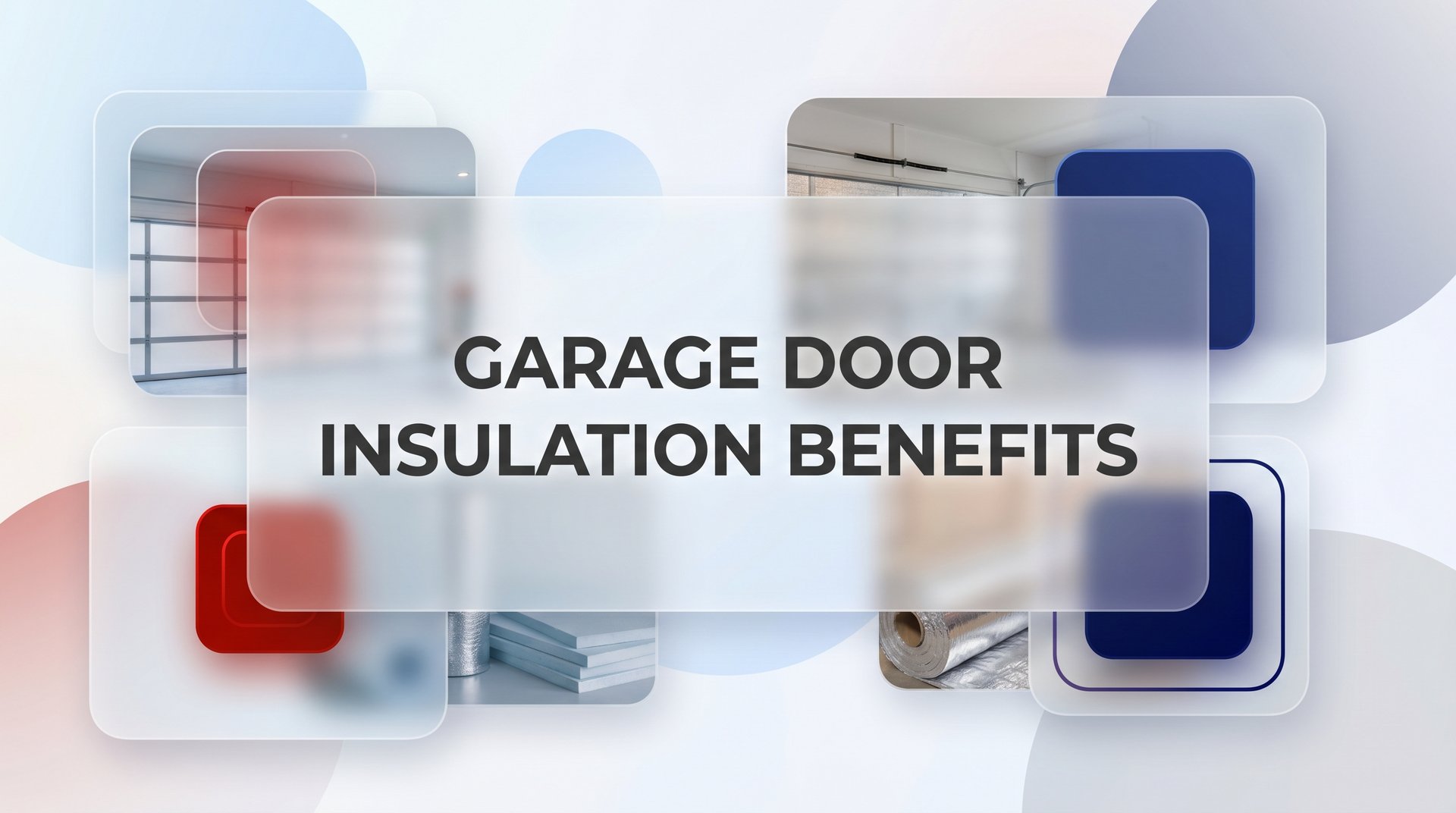
Homeowners in Western New York’s harsh winters can significantly reduce heat loss and lower energy bills by understanding the garage door insulation benefits — particularly how an uninsulated door allows freezing air from Lake Erie storms to infiltrate attached garages and adjacent living spaces. This guide explains the science behind garage heat loss and practical solutions specific to Buffalo’s demanding climate.
Lake Erie’s impact on local climate
It’s January in Buffalo. The wind is coming off Lake Erie at a steady howl, there’s a foot of lake-effect snow in the driveway, and you walk into your kitchen only to notice the floor is ice cold. You check the thermostat. The furnace has been running more than it should. Then you open the door to your attached garage and feel it — that wall of cold air that seems to pour right into your living space.
If this sounds familiar, you’re not alone. It’s one of the most common complaints we hear from homeowners across Western New York, and the culprit is often something people don’t think twice about: an uninsulated garage door. The garage door insulation benefits aren’t always obvious until you experience them firsthand, but for homeowners in a climate like ours, they’re very real and very practical. Let’s walk through what’s actually going on and what you can do about it.
Why Your Garage Feels Like a Walk-In Freezer
Your garage door is almost certainly the largest single opening in your home. On a typical two-car garage, that’s a surface area of 128 square feet or more facing directly into the elements. In Western New York, those elements are no joke.
Extreme Temperatures
Buffalo and the surrounding communities regularly see January temperatures in the low-to-mid 20s°F, and that’s before wind chill off the lake. During a lake-effect event, sustained winds can push the “feels like” temperature well below zero. A single-layer steel door with no insulation does almost nothing to slow that cold down. It’s essentially a thin metal panel standing between your garage and whatever is happening outside.
Many homes in the Buffalo area, Tonawanda, Cheektowaga, and Amherst were built in the mid-20th century. These are solid, well-loved homes, but they often came with basic single-layer steel garage doors that were never designed with energy efficiency in mind. Over time, those doors let cold air pour in around the edges and radiate cold through the panel itself. Understanding the best garage door materials for Buffalo’s climate is key to addressing this problem.
For attached garages, this is where it gets costly. The wall between your garage and your living space is rarely as well-insulated as your exterior walls. Cold air infiltration through the garage doesn’t just make the garage uncomfortable — it seeps into your laundry room, your kitchen, sometimes even your pipes. If you’ve ever had a pipe freeze in a garage wall, you already know how serious this can get in a WNY winter.
The Benefits Homeowners Actually Notice
Let’s talk about what changes after you install an insulated door — not the theoretical stuff, but the things homeowners actually comment on after the fact.
Reduced heating costs:
An insulated door helps stabilize the temperature inside the garage, which in turn reduces the amount of conditioned air your home loses through that shared wall. You won’t see a magic number on your utility bill, and results vary by home, but many homeowners notice a meaningful difference during the coldest months. The furnace simply doesn’t have to work as hard when the garage isn’t acting as a giant heat sink.
Usable space, more months of the year:
A lot of WNY homeowners use their garage for more than just parking. Workshops, home gyms, hobby spaces — these are common setups around here. An uninsulated garage in February is basically unusable without a space heater running constantly. An insulated door won’t turn your garage into a heated room, but it makes a real difference in how quickly a space heater can bring the temperature up and how long it holds. Preparing your garage for the cold months with seasonal garage door prep tips can amplify these benefits even further.
Noticeably quieter operation:
This one surprises people. Insulated doors operate more quietly than single-layer doors because the foam core dampens vibration and noise. If you have a bedroom above or adjacent to the garage, this matters more than you’d expect — especially early in the morning when someone’s heading out for work.
Better durability: Insulated doors tend to be more rigid and dent-resistant than thin single-layer panels. Between kids with bikes, wind gusts, and general wear, that extra structural integrity makes a difference over time.
R-Value Explained Without the Jargon
When you start shopping for an insulated garage door, you’ll see R-values thrown around a lot. R-value is simply a measure of thermal resistance — the higher the number, the better the door slows heat transfer. That’s really all you need to know.
For a climate like Western New York’s, insulated garage doors typically range from R-6 on the lower end to R-18 or higher at the top. A basic double-layer door with a polystyrene foam core will usually land somewhere in the R-6 to R-9 range. Triple-layer doors with a polyurethane core can reach R-12 to R-18 or beyond. Polyurethane provides a higher R-value per inch of thickness, which is why it tends to appear in higher-end doors. Hörmann is one manufacturer that offers excellent insulated options — learn more about the best Hörmann garage door for winter in Buffalo.
Here’s the honest take: if your garage is attached and you use it regularly, aiming for R-12 or higher makes sense in our climate. If it’s a detached garage used mostly for storage, a more modest R-value will still be a meaningful upgrade over nothing. You don’t necessarily need the highest R-value on the market — you need the right one for how you actually use the space.
It’s also worth noting that insulated doors simply feel more substantial. They’re heavier, more rigid, and quieter — qualities that translate to a door that holds up better over the years.
When Insulating Is Worth It (And When It Might Not Be)
Not every garage situation is the same, and we’d rather give you a straight answer than oversell an upgrade you don’t need.
Insulation makes the most sense when: Your garage is attached to the house. You have living space above the garage. You use the garage as a workspace, gym, or hobby area. Your current door is aging and due for replacement anyway. If you’re unsure whether your door needs replacing, our guide on when to repair vs. replace a garage door can help you decide.
It’s still helpful, but less urgent when: You have a detached garage used mainly for storage. The garage doesn’t share walls with living space. You only need basic weather protection rather than comfort.
If your current door is in decent shape and your garage is detached, a full replacement just for insulation may not be the best use of your money right now. In that case, DIY insulation kits — foam panels you attach to the existing door panels — can be a reasonable middle ground. They won’t match the performance of a purpose-built insulated door, but they’re a practical option for a detached, low-priority space.
For attached garages, especially older homes with single-layer steel doors, a proper insulated replacement is usually worth the investment. Checking out new garage doors for sale is a good starting point for exploring your options.
What the Upgrade Process Actually Looks Like
If you decide a new insulated door makes sense, the process is more straightforward than most people expect. A technician measures the opening, you choose a door style and R-value that fits your needs and budget, and installation typically takes a few hours. Most homeowners are surprised by how many style options exist — modern insulated doors come in everything from classic raised-panel designs to decorative garage doors that look great on older Buffalo-area homes. They don’t have to look industrial or utilitarian.
One thing worth mentioning: the door itself is only part of the equation. Weatherstripping along the sides and bottom seal, and the condition of your garage’s existing insulation, matter just as much. A well-insulated door with worn-out bottom seals still lets cold air in. Following a thorough garage door installation checklist ensures everything works together to deliver the comfort and efficiency you’re after.
Putting It All Together
Garage door insulation isn’t a flashy upgrade. It doesn’t get the same attention as a kitchen renovation or a new roof. But for homeowners in Buffalo, Tonawanda, and across Western New York, it’s one of the most practical improvements you can make to your home’s comfort and efficiency — especially when February rolls around and the lake decides to remind everyone why WNY winters have a reputation.
Whether you’re replacing an aging door, dealing with a garage that’s become unusable in winter, or just trying to stop the cold from creeping into your kitchen, the difference a quality insulated door makes is real. And getting the right recommendation for your specific setup doesn’t have to be complicated.
If you have questions or want a straightforward assessment of what would actually work for your garage, reach out to 716 Garage Door Repair. Scheduling online is easy, and we’re happy to walk you through your options without the sales pressure. We work in these neighborhoods every day — we know what WNY winters demand, and we’ll give you an honest answer.





























 Tap to Call: (716) 608-0053