





When One Bad Panel Drags Down the Whole Door
Save Your Door With Expert Garage Door Panel Replacement in North Tonawanda
A garage door gives out one section at a time. Someone backs into the bottom row, a storm dents the middle, or rust eats through the seam near the weather seal. The rest of the door still works, so replacing the whole thing feels like overkill. Panel replacement swaps the damaged section and keeps the parts that still hold up.
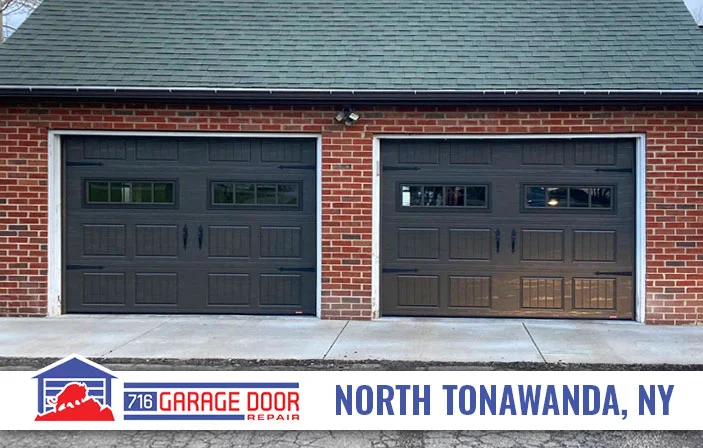
716 Garage Doors handles panel replacement across North Tonawanda, from the older streets near Webster to the newer builds toward Wheatfield. We match the section, fit it to your existing track and hardware, and balance the door before we leave.
Why North Tonawanda Doors Take a Beating
Winters here punish garage doors. Lake-effect snow piles against the bottom sections for weeks, and the road salt trucks kick up along Payne Avenue works its way into the steel. Water settles into a dent, freezes overnight, and pushes the metal apart from the inside. By March, a small ding has turned into a split seam.
Older homes add another wrinkle. A lot of North Tonawanda housing went up after the war, and plenty of those garages still carry heavy wood or early steel doors. One cracked wood panel throws off the balance your springs count on, and the door starts to sag on one side.
Spotting the Panel That Needs to Go
You can catch a failing panel before it strands your car inside. Look for a section that bows outward, rust bubbling under the paint, or a dent deep enough to catch your fingernail. Run your hand along the inside seams after a cold snap and check for splits.
Sound tells you a lot too. A panel that rattles louder than the rest, or a door that catches at the same spot every time it lifts, points to one section pulling against the others. Call us while it is one panel. Wait, and the strain spreads to the rollers and hinges.
Matching a Panel to a Door That Has Aged
Panel matching gets tricky on an older door, and a lot of homeowners hit a wall on their own. Manufacturers change styles. Steel fades. A ten-year-old door in a certain shade of almond will not line up with a fresh panel straight off the truck.
Call Today!

716 Garage Doors carries lines from the major manufacturers and sources discontinued profiles when we can. We measure the raised sections, check the window inserts, and confirm the gauge of the steel so the new piece sits flush with what surrounds it. When a match runs out, we tell you straight instead of forcing a piece that looks wrong.
Repair the Section or Replace the Whole Door
Honest Recommendations for North Tonawanda Garage Door Panel Replacement
One damaged panel on a door under fifteen years old earns a repair in most cases. The savings over a full replacement are real, and and the door has years left in it. Two or three failing sections change the math. Once rust or rot spreads, a section swap buys you a season, not a decade.
Age of the springs matters too. If we open up a door and find worn torsion springs beside the bad panel, we walk you through both numbers so you decide with the full picture.
Questions North Tonawanda Homeowners Ask Us

My door still opens with a dented panel. Can I wait?
You can, but a bent section throws off the balance and wears the springs and rollers faster. Fixing it early costs less than the chain of repairs that follows.
Can you replace one panel, or do I need the whole door?
Will the new panel match my current door?
How long does a panel replacement take?
What the Job Looks Like With 716 Garage Doors
Every Garage Door Panel Replacement Includes a Complete Safety Check
We start with a look at the door, not a quote over the phone. Our tech measures the section, checks the balance, and inspects the track for damage the panel might have caused. You get a price before any wrench turns.
Most single-panel jobs wrap in one visit. We pull the damaged section, set the replacement, re-tension the springs so the door lifts even, and test the safety reverse. New York code calls for that photoeye sensor and a battery backup on the opener, so we confirm both work before we pack up.
Book Your Appointment Today!














 Tap to Call: (716) 385-5606