








Why Springs Give Out Sooner Near the Canal
How Lake-Effect Snow Impacts Garage Door Springs in North Tonawanda
Steel and hard winters make a rough pair. Temperatures near the Niagara River swing wide, and metal that flexes all day contracts overnight in single-digit cold. That stress adds up. Road salt and slush ride in on your tires, settle on the garage floor, and throw moisture into the air around the spring. Rust follows. A spring rated for 10,000 cycles might give you seven or eight years in a mild climate. Around here, with lake-effect snow piling up from November through March, that number drops.
Older housing stock adds to it. Many streets still carry post-WWII homes with the original heavy wood doors. Those doors demand stronger springs and more tension, so the parts grind against each other harder with every cycle.
Garage Door Spring Repair in North Tonawanda
Restoring Safe, Reliable Door Operation With Expert Spring Service
Your garage door weighs more than you think. A standard steel door runs 150 pounds, and the older wood doors on plenty of North Tonawanda homes push past 300. The springs carry that load every time you tap the opener. One snaps, and the whole system stops. You feel it the moment the door refuses to budge on a cold morning before work.
That force is the reason a broken spring counts as more than an inconvenience. It it sits in a system built to move a quarter-ton door, and it fails without warning.
The Part That Does the Heavy Lifting
Most doors run on one of two spring types. Torsion springs mount on a bar above the door and wind tight to lift the weight. Extension springs stretch along the tracks on either side. Both store a huge amount of energy. A torsion spring under full tension holds enough force to break bone if it lets go while someone stands in the wrong spot.
Telltale Signs Yours Is Fading
Common Garage Door Spring Problems North Tonawanda Homeowners Notice
Watch for a loud bang from the garage when nobody touched the door. That crack often means a torsion spring split in two. After that, the door might rise a few inches and stop, or hang crooked in the tracks. Look up at the bar and you may spot a visble gap in the coil. Some homeowners notice the opener straining, grinding, or reversing halfway up. The motor works fine. The spring behind it stopped pulling its share.
A door that slams shut faster than it should points the same direction. Once the spring loses tension, the opener fights gravity alone, and the safety of the whole setup drops.
Why We Tell Neighbors to Skip the DIY Fix
Video tutorials make spring replacement look quick. The winding bars and the stored tension tell a different story. One slip while adusting a torsion spring sends a steel bar swinging at your hands or face. Emergency rooms across Niagara County see these injuries every winter.
We also match the spring to your exact door weight and cycle count. A spring that looks close but rates wrong burns out inside a year and strains your opener along the way. Getting the size right the first time saves you a second repair.
Questions North Tonawanda Homeowners Ask Us

Should I replace one spring or both?
How long does the repair take?
How much does spring repair cost?
What 716 Garage Doors Handles for You
Complete Garage Door Services Designed for North Tonawanda Homes
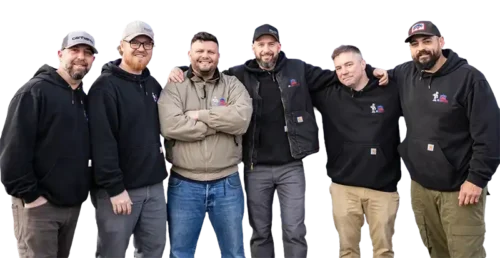
Our crew works across North Tonawanda, Tonawanda, and Kenmore, so we know the doors on these streets. We carry torsion and extension springs sized for both modern steel doors and the heaver wood ones on older homes. Most spring repairs wrap up in under two hours, and we replace springs in pairs so you aren’t back on the phone in a month when the second one goes.
We check the rollers and cables while we’re there too. A fresh spring on a door with worn cables trades one problem for the next. Call us before the next storm rolls off the lake, and we’ll get your door moving again.
Book Today For Your Garage Door Maintenance


























 Tap to Call: (716) 385-5606