

A garage threshold seal closes the gap between your garage door and the concrete floor, preventing snow, water, pests, and cold air from entering your garage. For Buffalo homeowners dealing with harsh Western New York winters, this simple and affordable solution can protect your garage from moisture damage, energy loss, and unwanted wildlife year-round.
You walk into your garage on a cold January morning and there it is: a thin ribbon of snow along the floor, or a puddle that wasn’t there yesterday. Maybe you’ve noticed leaves blowing in, or worse, you spotted signs that something small and furry found its way inside. The culprit is almost always that gap between the bottom of your garage door and the concrete floor. It’s easy to overlook, but in a place like Buffalo, it causes real problems. A garage threshold seal is one of the simplest, most affordable ways to address it.
If you’ve never heard the term before, you’re not alone. Most homeowners don’t think much about the bottom edge of their garage door until water starts pooling or the garage feels like a walk-in freezer. This article breaks down what a threshold seal is, why it matters in Western New York specifically, and how to figure out whether it’s something you can handle yourself or worth having a pro look at.
That Gap at the Bottom Isn’t Just Cosmetic
Garage floors aren’t perfectly flat. They never stay that way for long, either. Over time, concrete settles, shifts, and develops cracks — especially in climates with hard winters. The bottom of your garage door was designed to sit flush against a relatively even surface, but when that surface changes, gaps appear.
Sometimes the gap comes from the concrete itself heaving or sinking. Sometimes it’s the door’s bottom weatherstrip that’s worn down or torn. Occasionally, the door has shifted slightly out of alignment and no longer closes evenly across the full width of the opening. Any of these can leave a visible gap that lets in more than you’d expect.
In Buffalo winters, that gap becomes a real problem fast. Water from melting snow and ice melt runoff seeps in. Cold air pours through. Road salt and grit blow in and start working on your floor and anything stored near the door. And pests — mice especially — don’t need much of an opening to find their way in once temperatures drop. These are among the common garage door problems in Buffalo homes that homeowners deal with every season.
It’s worth noting the difference between two things that often get confused: the bottom weatherstrip and the threshold seal. The weatherstrip is the rubber piece attached to the bottom of the door panel itself. It moves up and down with the door. The threshold seal is different. It’s mounted to the floor, stays in place, and creates a raised surface that the door presses against when closed. You can learn more about the differences in our guide on how to examine seals and weather stripping.
What a Garage Threshold Seal Actually Is
A garage threshold seal is a strip of rubber or vinyl that gets adhered directly to the concrete floor, right along the line where the door meets the ground when it’s closed. When the door comes down, it presses against the threshold seal, closing off that gap from below.
Most threshold seals are made from EPDM rubber or vinyl, sometimes with an aluminum backing for added rigidity. They come in various widths and are typically sold in lengths that cover standard single-car and double-car garage doors. Installation usually involves cleaning the concrete thoroughly, applying adhesive, pressing the seal into place, and letting it cure. Some installations also use concrete screws for a more permanent hold.
The key thing to understand is how it works with the door’s existing bottom weatherstrip. Think of it as a two-layer system. The weatherstrip on the door compresses against the threshold seal on the floor, creating a tighter barrier than either one could on its own. If the weatherstrip is in decent shape and the door closes reasonably evenly, adding a threshold seal can make a noticeable difference right away.
That said, a threshold seal isn’t magic. If the bottom weatherstrip is cracked, missing chunks, or the door itself is badly misaligned, the seal won’t fully compensate. It’s a great solution when the gap is modest and the door is otherwise functioning well. When there are bigger issues at play, knowing when to repair vs replace a garage door becomes important.
Why Western New York Makes This More Urgent
Buffalo’s climate puts garage floors through a lot. Freeze-thaw cycles — where temperatures swing above and below freezing repeatedly throughout late fall, winter, and early spring — cause concrete to expand and contract constantly. Over years, this leads to cracking, heaving, and uneven surfaces. A garage floor that was relatively flat when the house was built can develop noticeable irregularities after a decade or two.
That means gaps that didn’t exist before start to appear, and gaps that were small get wider. Lake-effect snow adds another layer to the problem. When several inches of heavy, wet snow pile up against your garage door and then start to melt, that water has to go somewhere. Without a proper seal, it goes under the door. It’s one of the many reasons Buffalo weather is brutal on your garage door.
Road salt is another factor that’s easy to underestimate. It gets tracked in on tires, blown in through gaps, and can accelerate concrete deterioration over time. Keeping it out of the garage as much as possible is worth the effort.
For homeowners with attached garages, there’s also a comfort and energy consideration. A significant gap at the garage door bottom can let cold air into the garage, which in turn affects the temperature of adjacent rooms and can make your heating system work harder. Choosing the right garage door materials for Buffalo’s climate also plays a role in managing heat loss.
DIY or Call a Pro? An Honest Take
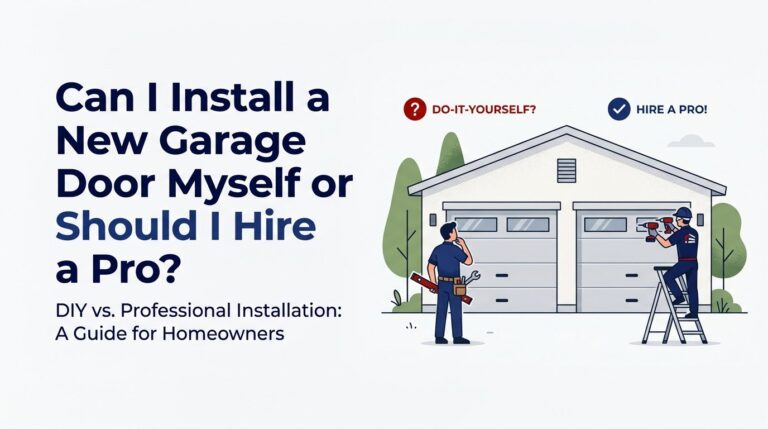
Threshold seals are genuinely one of the more DIY-friendly garage upgrades out there. If your concrete is smooth and in reasonable condition, and the gap is fairly consistent across the width of the door, an adhesive-backed threshold seal is something most handy homeowners can install in an afternoon. The materials are affordable and available at most home improvement stores.
Where it gets tricky is when the concrete is cracked, uneven, or significantly sloped. A threshold seal needs a reasonably flat surface to bond to and seal against. If the floor has major irregularities, the seal may not sit evenly, which defeats the purpose.
It also gets complicated when the real issue isn’t the floor at all. If the door’s bottom weatherstrip is worn out, or the door panels have shifted and the door no longer closes level, a threshold seal will only partially help. You might still see gaps at the corners, or water might still find its way in where the seal can’t make full contact.
This is where having a garage door professional take a look is genuinely useful. At 716 Garage Door Repair, we can assess whether a threshold seal alone will solve your problem or whether there’s something else going on with the door’s fit, weatherstripping, or alignment. Sometimes it’s a quick fix. Sometimes there’s a bit more to it.
Keeping the Seal Working Through the Seasons
Once a threshold seal is installed, it doesn’t require much attention. But a little seasonal garage door maintenance goes a long way, especially in a climate like ours.
Before winter sets in, take a few minutes to check the seal. Look for cracking, peeling, or sections that have lifted away from the floor. Clear any debris that’s built up along the threshold, since dirt and grit can prevent a clean seal. After the spring thaw is another good time to check, since the freeze-thaw cycle can stress adhesive bonds over time. Our guide on checking your garage door after a Buffalo winter storm covers what else to look for.
The threshold seal is one piece of a broader maintenance picture. Checking the bottom weatherstrip, making sure the door closes evenly, and having springs and hardware inspected periodically all contribute to a garage that stays sealed and functions reliably. A seasonal checkup before Buffalo’s winter hits is always a smart idea.
A Small Fix That Makes a Real Difference
A garage threshold seal isn’t a complicated product or an expensive upgrade. But in a climate like Western New York’s, it’s one of those small things that makes a noticeable difference in comfort, cleanliness, and how well your garage holds up over time.
Take a look at the bottom of your garage door the next time you’re out there. If you can see daylight, feel a draft, or notice water finding its way in, the gap is worth addressing. For many homeowners, a threshold seal is exactly the right fix.
If you’re not sure whether a threshold seal will do the trick or whether there’s something bigger going on with your door’s fit or weatherstripping, we’re happy to take a look. Scheduling online is easy, and our team can give you a straight answer about what your garage actually needs.




























 Tap to Call: (716) 608-0053