
If you own a home in the Buffalo area, you already know what winter does to everything mechanical. Garage door openers are no exception. Between the deep freezes, the ice storms, and the lake-effect snow that rolls in off Lake Erie, your opener takes a beating from November through March every single year. Choosing the right system — and knowing how to take care of it — genuinely matters out here in a way it might not in a milder climate.
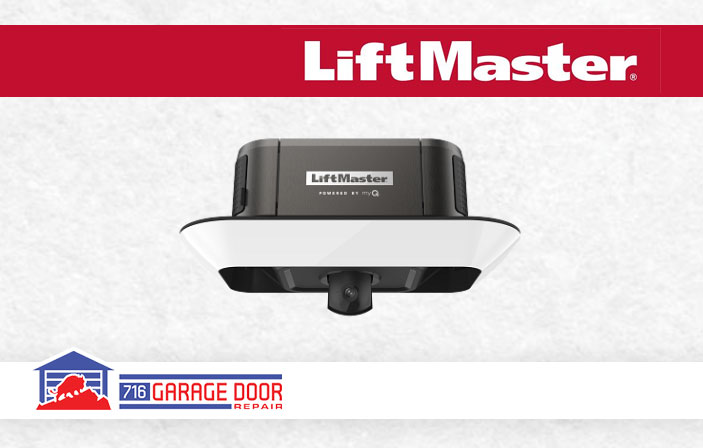
LiftMaster is one of the most commonly installed opener brands across Western New York, and for good reason. Whether you’re looking to replace an aging unit, add smart features, or just figure out why your current opener is acting up, this guide covers the things local homeowners actually need to know.
1. Why Do So Many Western New York Homeowners Choose LiftMaster?
What makes this brand stand out locally?
LiftMaster, manufactured by Chamberlain Group, has built a strong reputation among professional installers across the country — and that holds true here in the Buffalo region. Part of what makes it a reliable choice is that local technicians know the product well, parts are readily available, and the lineup covers everything from basic residential units to heavy-duty commercial systems.
Durability is a real selling point when you live somewhere that sees genuine winters. LiftMaster openers are built to handle repeated use and temperature swings, which matters when your garage door might be opening and closing multiple times a day during a stretch of single-digit temperatures. The brand also has a wide range of models, so there’s usually a good fit regardless of your garage setup or budget.
2. Chain Drive, Belt Drive, or Jackshaft — Which One Fits Your Garage?
Does the drive type really make a difference?
Yes, and it’s one of the first things worth thinking through before you buy. Each drive type has a real-world use case, and the wrong choice can mean unnecessary noise or a unit that doesn’t fit your space.
Chain drive: The most common and typically the most affordable option. It’s durable and dependable, but it’s louder than the alternatives. For a detached garage or a space that doesn’t share walls with living areas, the noise usually isn’t a problem.
Belt drive: Runs much quieter than a chain drive — noticeably so. If your garage is attached to your home and shares a wall with a bedroom or living room, a belt drive is worth the modest price difference. This is a common situation in Buffalo-area homes, and the quieter operation makes a real quality-of-life difference.
Jackshaft: Mounts on the wall beside the door rather than overhead. This is a smart solution for garages with low ceilings or limited headroom, which shows up often in older WNY homes. It also keeps the ceiling clear for storage or lighting.
Horsepower matters too. Most standard residential doors do fine with a 1/2 HP motor, but heavier doors — solid wood, oversized, or older steel doors — benefit from 3/4 HP or more. A technician can help you match the motor to your specific door weight.
3. Which Smart Features Are Actually Worth It?
Are the connected features genuinely useful, or just tech for tech’s sake?
Some of them are genuinely practical, especially for homeowners in this region. The myQ platform from LiftMaster lets you monitor and control your garage door from your smartphone. You can check whether the door is open or closed, get alerts, and close it remotely — useful if you’re at work and can’t remember whether you closed it before the storm rolled in.
Battery backup is probably the most underrated feature for Western New York homeowners. Ice storms and lake-effect events can knock out power for hours, and without battery backup, your garage door becomes a manual operation. Models with built-in battery backup keep things working even when the power goes out, which is more than a convenience when temperatures are in the teens.
Some LiftMaster models also include a built-in camera with two-way audio, and auto-close functionality that shuts the door after a set period. These aren’t essential for everyone, but they’re worth considering if security or convenience is a priority for your household.
4. How Do You Keep a Garage Door Opener Running Through a Buffalo Winter?
What does cold weather actually do to an opener?
Cold temperatures cause metal components — including springs — to contract. Lubricants thicken and become less effective. Together, these factors put extra strain on the opener motor, especially if the door isn’t balanced properly to begin with. It’s basic physics, and it’s something our technicians see play out every winter across Buffalo and the surrounding communities.
A few things you can do to help your opener through the season:
Lubricate the moving parts: Springs, rollers, and hinges should be treated with a garage-door-specific lubricant before cold weather sets in. Avoid WD-40 — it’s not designed for this application and can attract dirt over time.
Check door balance: Disconnect the opener and manually lift the door halfway. It should stay in place on its own. If it drops or shoots up, the springs are out of balance and your opener is working harder than it should be. An unbalanced door is one of the more common causes of premature motor wear.
Clear the tracks and sensors: Snow, ice, and road salt can interfere with the safety sensors at the base of the door. Keep them clean and free of obstruction throughout the season.
5. Why Won’t My LiftMaster Respond to the Remote or Wall Button?
What should you check before calling for service?
A few things are worth ruling out on your own before scheduling a visit. First, check the remote batteries — it sounds obvious, but dead or weak batteries are behind a surprising number of service calls. Replace them and try again.
If the wall button works but the remote doesn’t, the issue is likely the remote itself or signal interference. LED bulbs in some garage fixtures can interfere with the radio frequency. Try swapping out the bulb inside the opener with an incandescent or an opener-rated LED.
If neither the remote nor the wall button is working, check the outlet the opener is plugged into — a tripped GFCI or breaker is an easy fix. Also look at the safety sensors near the floor. If one of them is blinking or misaligned, the opener won’t operate as a safety precaution. A gentle realignment often resolves it.
Limit switch drift can also cause problems, especially after a long cold season. If the door reverses before fully closing or won’t open all the way, the limits may need adjustment — something a technician can handle quickly during a Tonawanda or Buffalo service call.
6. Is It Time to Repair Your LiftMaster, or Replace It Entirely?
How do you know when an opener has reached the end of its useful life?
Most residential garage door openers last somewhere around a decade or more under normal use — many technicians suggest 10 to 15 years as a reasonable range, depending on how heavily the system is used and how well it’s been maintained. If your opener is approaching or past that window, it’s worth having an honest conversation about whether repairs still make financial sense.
Signs that replacement is worth considering: the motor is straining noticeably, the unit is grinding or hesitating regularly, repairs have become frequent, or the opener predates modern safety features like auto-reverse. Older openers also lack battery backup and smart connectivity, which are genuinely useful upgrades for WNY homeowners.
That said, not every problem means it’s time to scrap the whole unit. A bad circuit board, worn drive gear, or failing capacitor can often be repaired at a reasonable cost if the opener is otherwise in decent shape. A good technician will give you an honest read on the cost-versus-value picture rather than pushing you toward a replacement you don’t need.
If you’re ready to schedule a repair, an installation, or just want a second opinion on whether your current opener is worth saving, Scheduling online is easy! We’re a locally owned team that knows Western New York homes, and we’ll give you a straight answer without the runaround.



























 Tap to Call: (716) 608-0053