





When the Spring Lets Go, the Whole Door Quits
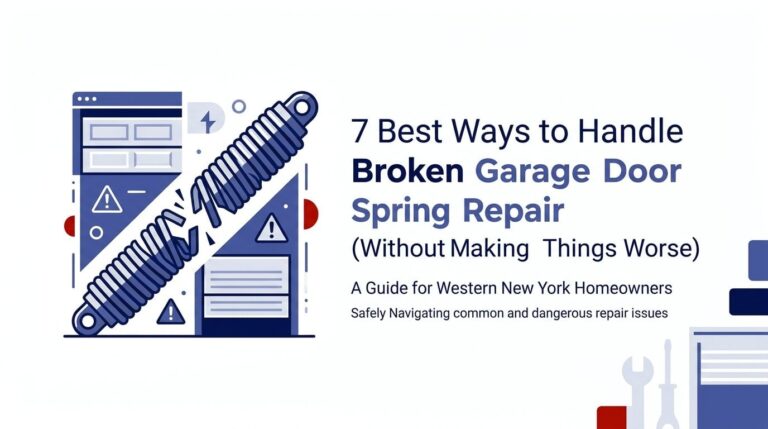
You hit the button, the opener hums, and the door barely lifts a few inches before it stops. Or you hear a loud bang from the garage that sounds like a gunshot, walk in, and find a coiled spring snapped clean in two. That spring did most of the heavy lifting every single time your door moved, and now nothing works the way it should. At 716 Garage Doors, we fix this for Willdon homeowners just about every day of the week.
A garage door can weigh anywhere from 130 to over 300 pounds. The motor on your opener does not carry that weight. The springs do. So when one breaks, your door turns into a very heavy, very stubborn slab that the opener was never built to move on its own.
Why Springs Wear Out Faster Than You Think
Springs are rated by cycles. One cycle means the door goes up and comes back down once. A standard spring is built for roughly 10,000 cycles, which sounds like a lot until you count how many times your family opens that door in a day. Two trips to work, school runs, grocery hauls, the dog walk, and you can burn through ten or more cycles before dinner. Cold Willdon winters speed up the wear too, since metal contracts and gets brittle when the temperature drops.
Most springs last seven to nine years for an average household. If yours came with the house and you have lived there a while, you are likely running on borrowed time.
The Warning Signs Worth Catching Early
You can usually tell a spring is on its way out before it gives up completely. Watch for these:
- The door feels heavier than usual when you lift it by hand
- One side rises faster than the other, leaving the door crooked
- You hear loud creaks, pops, or grinding during travel
- The door drops fast after you release it instead of holding position
- You spot a visible gap in the coil where the spring has separated
Any one of these means you should stop using the door and call us before something else gets damaged. A worn spring puts extra strain on the cables, rollers, and opener, and those repairs cost a lot more than the spring itself.
Torsion and Extension: Two Different Setups
Two main spring types hang in Willdon garages. Torsion springs mount on a metal bar above the door and twist to create lifting force. They run quieter, last longer, and handle heavier doors with better balance. Extension springs stretch along the tracks on either side and pull the door up as they expand. They cost less up front but tend to wear out sooner.
When our technician arrives, the first thing they do is figure out which system you have and whether the spring sizing matches your door weight. A mismatched spring is one of the most common problems we correct on homes where a previous repair was done on the cheap.
Why This Is Not a Weekend Project
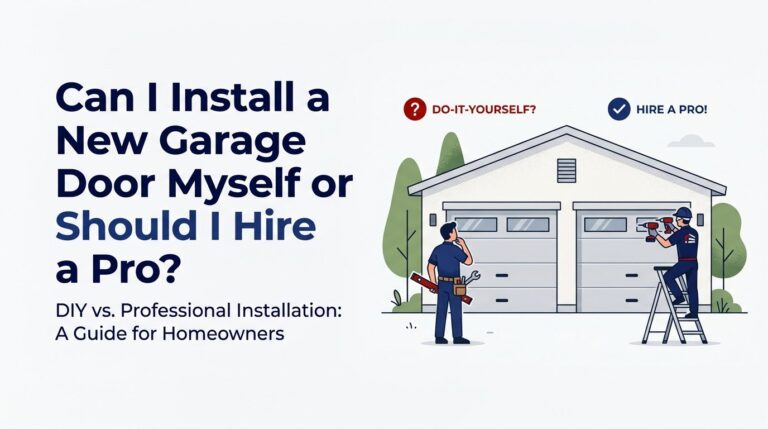
Plenty of homeowners want to swap a spring themselves and save the service call. We get it. We also pull broken winding bars out of drywall and treat hand injuries more often than we would like to mention. A torsion spring under tension stores enough force to break fingers or worse if it slips during installation. The tools matter, the technique matters, and the margin for error is thin.
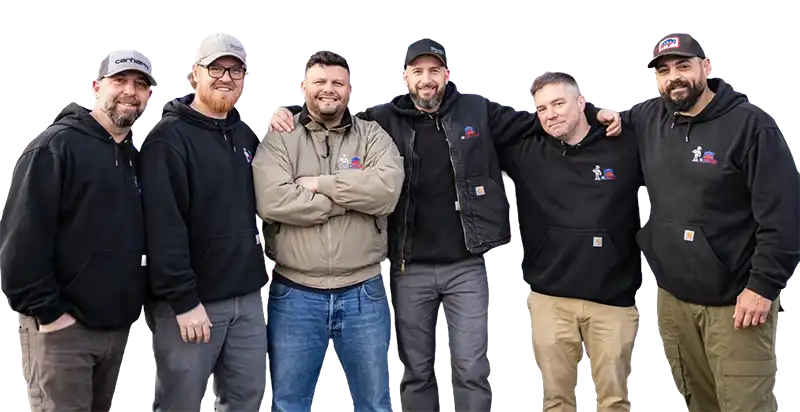
Our crew carries the right winding bars, the correct replacement springs in stock, and years of doing this safely. A typical spring replacement takes us under an hour, and we balance the door and test the opener before we leave.
Why Willdon Calls 716 Garage Doors
We are local, we answer the phone, and we show up when we say we will. Our trucks carry common spring sizes so most repairs finish in one visit, no waiting around for a part to ship. We give you a straight price before any work starts, and we replace springs in pairs when it makes sense so you are not back to square one in six months.
If your door is sitting half open or refusing to budge, do not force it. Reach out to 716 Garage Doors and we will get a technician to your Willdon home, find the real cause, and have you back to normal the same day in most cases.
























 Tap to Call: (716) 608-0053